


What If Your Next Tenant Was McDonald’s Instead of Another Family?
Discover the commercial real estate strategy I used to go from tenants, toilets, and turnover to collecting rent from national brands on long-term leases... while building a portfolio that gives me more freedom, not more work.
Show Me The Fast Food Landlord Method →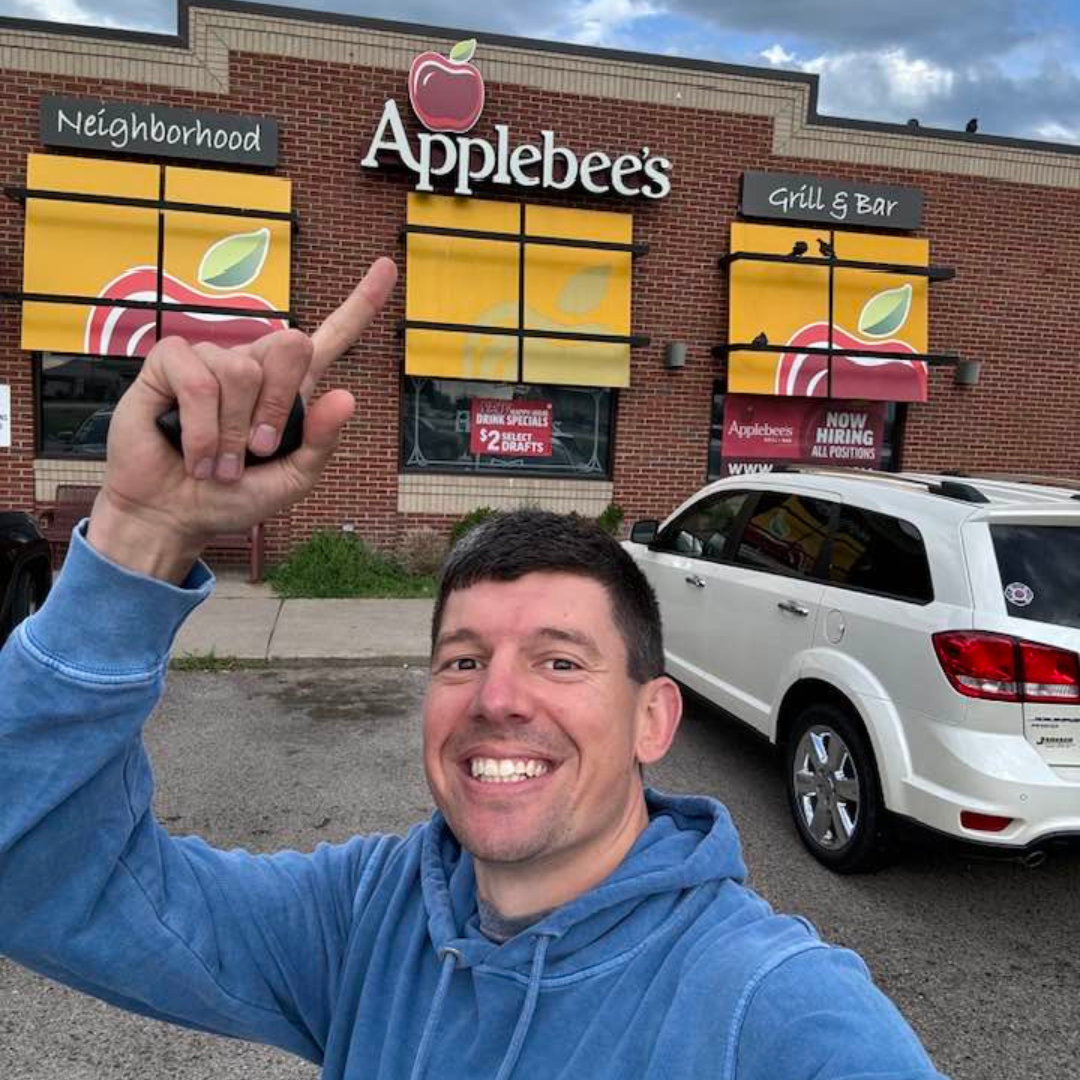
The dirt.
The rent check.
Have you ever calculated what your rentals actually pay you per hour?
Most landlords know what rent comes in every month. But that's not the same thing as knowing what the investment is actually giving you back.
A property can make money... and still own your time.
And the more rentals you buy... the more of everything you multiply.
More doors can mean more income. They can also mean more people, more expenses, more moving parts, and more things depending on you.
More Tenants
More applications. More questions. More late payments. More complaints. More people who know exactly how to get ahold of you when something goes wrong.
More Expenses
Roofs. HVAC. Plumbing. Lawn care. Snow removal. Insurance. Property taxes. Every little expense takes another bite out of what looked like a great return when you first did the math.
More Turnover
A tenant leaves and suddenly you're cleaning, repairing, advertising, showing, screening and hoping the next person actually pays on time.
More Equity... Stuck
Eventually you may have hundreds of thousands of dollars sitting inside properties you'd gladly sell... except selling can create an entirely new question: what happens to the taxes?
For years, I thought the answer was to become a better landlord. Better systems. Better contractors. Better management. More properties.
But at some point I had to ask myself: If the entire goal of investing was freedom, why was I building a portfolio that needed more and more of me?
The problem wasn't real estate.
It was the kind of real estate I owned.
Because what if the tenant didn't call you about the toilet? What if they handled the maintenance? What if they paid the taxes and insurance? And what if that tenant signed a lease measured in decades instead of months?
What if I simply stopped renting to people?
I didn't need to quit real estate.
I didn't need another management company.
And I didn't need to become better at handling tenants and toilets.
I needed to change who was paying me rent.
Rent the property to people.
12-month leases and constant renewal or turnover.
I handle or pay for repairs and maintenance.
I pay the property taxes and insurance.
And when something goes wrong... they call me.
Rent the property to corporations.
National brands can sign leases lasting 10, 15, 20, even 25 years.
Under the right NNN lease, the tenant can handle maintenance and operating expenses.
The tenant can pay the taxes and insurance.
And instead of managing another family... I collect rent from the company.

I could own the real estate... without owning another job.
The first time I understood the model, I couldn't unsee it.
McDonald's didn't build one of the biggest real estate empires in the world by fixing toilets in apartment buildings.
They understood the value of owning the real estate underneath a business.
Once I saw that, I started looking at every Starbucks, Applebee's, Arby's, McDonald's, Dollar General, and national retailer differently.
That's an income-producing piece of real estate.
And if I owned the property while the business operated on it, I could still get everything I loved about real estate... cash flow, appreciation, debt paydown, tax advantages, and long-term wealth.
I just didn't have to build it around a model that required me to constantly manage the people living inside the property.
It was never really about owning a fast-food building.
It was about building a portfolio that could produce income without demanding my attention every day.
Real estate was supposed to create freedom. Time with my family. Travel. The ability to build businesses, pursue opportunities, and actually enjoy what I'd worked for.
Once I changed the model, I could finally start building real estate around my life... instead of building my life around my real estate.

I learned this by actually doing the deals.
I didn't start out as a commercial real estate expert either.
I started where a lot of real estate investors start: buying residential property because I wanted to build wealth and create passive income.
Then I learned what “passive” could actually look like.
Over the last 15 years, I've gone from figuring this out one deal at a time to completing 40+ acquisitions and building a portfolio around commercial properties leased to national and regional tenants.
I've negotiated the deals. Worked with the brokers. Sat across from lenders. Structured financing. Reviewed leases. Navigated due diligence. Closed properties. Had tenants perform exactly as expected... and had deals teach me lessons I would have preferred not to learn the expensive way.
And that's why I created this system.
Not to turn you into a commercial real estate professor. I want to show you the practical framework I wish someone had handed me when I first realized there was a completely different way to own real estate.
And after 15 years of figuring out what works,
what doesn't, and what I wish I'd known sooner...
I finally put the entire process in one place.
Become a Fast Food Landlord.
The step-by-step system for building a portfolio of passive commercial real estate with tenants like Starbucks, McDonald’s, Arby’s, Applebee’s and other national brands.
Instead of chasing tenants, fixing toilets, coordinating contractors, and wondering what expense is coming next...
Learn how to find, analyze, acquire, and profit from triple net lease properties where the tenant can pay the taxes, insurance, and maintenance.
Generate income without becoming another job.

Own the real estate.
Don’t let it own you.
You want more freedom from your real estate.
You’re a residential landlord ready to get out of the tenant-and-toilet business.
You want more predictable, passive cash flow from real estate.
You’re a business owner looking to build wealth outside your operating company.
You’re ready to move existing equity into commercial real estate.
You want to learn the NNN strategy Tom used to build his portfolio.
15 years. 40+ acquisitions.
Condensed into 9 modules.
You don't need to spend the next decade figuring out commercial real estate through trial, error, expensive mistakes, and missed deals. I'm giving you the exact process I use to find, analyze, fund, acquire, and grow a portfolio of triple net lease properties.
Build The Right Wealth
Figure Out Which Wealth Bucket You're Actually Building
Cash flow? Tax savings? Long-term net worth? Before you buy another property, I'll show you how I think about the different ways real estate creates wealth so you can build a portfolio around your specific financial and freedom goals instead of buying whatever deal happens to cross your desk.
A clear target for what you're building before you spend a single dollar.
Define Exactly What You're Looking For
Tenant type. Market. Lease length. Price. Financing. Returns. You'll turn "I'll know a good deal when I see one" into an actual written acquisition framework so shiny objects stop pulling you away from the properties that can actually move you toward your goals.
Your personal buy box and a filter for quickly rejecting deals that don't fit.
Create Your Buy Box
Find The Deals
Get Access To Deals Most Investors Never See
You'll learn how commercial brokers actually work, how I build broker relationships, how on-market and off-market opportunities differ, and how to create a pipeline so you're not endlessly scrolling listing sites hoping the right property magically appears.
A repeatable system for getting the right deals sent to you.
Price A Deal Like Someone Who's Done It 40+ Times
I'll show you how triple net deals are actually priced, how I orient the numbers, stress-test the investment, evaluate financing, and structure a deal from both the acquisition side and the lender side. This is where a property stops being "interesting" and becomes either a yes or a no.
The confidence to look at a deal and know whether the math actually works.
Underwrite The Deal
Fund The Deal
Learn The 4 Ways To Fund A Deal
I'll walk you through four structures I've personally used: self-funding, seller financing, debt investors, and equity partnerships. You'll see how each works, when each makes sense, and how the funding structure can dramatically change the cash flow and return of a property.
A funding strategy matched to the amount of capital you actually have.
Put An Offer On The Table Like You've Done It Before
Learn LOI fundamentals, negotiation strategy, what terms matter, and how the letter of intent starts the commercial acquisition process. Instead of staring at a blank document wondering what you're supposed to say, you'll know how to move a deal forward intentionally.
The ability to submit your first LOI without wondering whether you're doing it wrong.
Make The Offer
Protect The Downside
Catch The Problems Before They Become Your Problems
I'll walk you through the due-diligence process: lease review, physical inspection, title, closing preparation, and the risk filters I use to uncover issues first-time commercial buyers often don't know to look for.
A process for protecting yourself before you wire a deposit or close the deal.
Walk Into Closing Knowing Exactly What Happens Next
You'll learn what happens leading up to closing, who should be involved, what happens at the closing table, and what your first 30 days as the new owner should look like so there are no surprise "now what?" moments.
A complete closing roadmap from accepted offer through your first month of ownership.
Close With Confidence
Build The Portfolio
Turn One Deal Into A Portfolio
This is where I'll show you how I think beyond the first closing: property management fundamentals, lease renewals, what happens when a tenant leaves, and the management structure I used to grow from one property to more than 40.
A roadmap for turning your first acquisition into a portfolio built around your life.
You don't need 15 years to learn what took me 15 years to figure out.
Follow the system. Use the framework. Start building the kind of real estate portfolio that gives you income without buying yourself another job.
Get Instant Access To Fast Food Landlord →Here's the entire Fast Food Landlord system.
The training, tools, playbooks, real-world deal breakdowns, and ongoing support I wish I'd had when I started buying commercial real estate.

Fast Food Landlord: The Complete 9-Module Course
Follow the full acquisition process from deciding what to buy all the way through finding deals, underwriting, financing, offers, due diligence, closing, and growing your portfolio.
Plus, you get all of this...
The Fast Food Landlord Resource Vault
The Syndication Playbook
The 1031 Exchange Playbook
Interest-Only Financing Cheat Sheet
Deal Analyzer Video Vault
Live Deal Analyzer Calls With Me
The 14-Day
“Put It To Work” Guarantee
I don't want you wondering whether Fast Food Landlord will make sense once you're actually inside. So I'm giving you 14 days to get access, go through the material, and put the system to work for yourself.
If you get inside, do the work, and still don't feel like this is the right real estate strategy for you, you deserve your money back.
Go through the course content so you can actually see the system before deciding whether it's right for you.
Show up to at least one live Deal Analyzer Call and see how I break down real-world opportunities.
Put the framework into action. Build your buy box and begin evaluating or underwriting potential deals.
If you do that and still decide you'd rather stick with another real estate strategy, I don't want to keep your money.
Simply email my team within 14 days of your purchase and let us know. If you've completed the steps above, we'll issue your refund. No hoops. No drawn-out process.
A year from now, you can still be managing the same problems... or you can know exactly what you're looking for next.
Once you see that there's another way to own real estate, doing nothing is still a decision.
Your current real estate keeps demanding your time.
Tenants. Repairs. Turnover. Insurance increases. Property taxes. Management calls. All the things you accepted because you thought that's just what being a real estate investor looked like.
Another year can go by doing more of the same.
Your equity may still be sitting in the same properties. You may still be answering the same calls. And the commercial deals you drive past every day will still just look like restaurants and retail buildings because you don't know how to evaluate them yet.
You don't have to keep investing the same way.
You can learn how I find the properties, analyze the tenant, structure the financing, evaluate the lease, and decide whether a triple net deal belongs in my portfolio.
How much longer do you want to keep buying yourself another job?
I spent years learning this through deals, mistakes, relationships, and experience. You don't need to wait until you've figured all of that out on your own before you start moving toward a more passive portfolio.
Start Building My Fast Food Landlord Portfolio →You're probably thinking... “Yeah, but what about...?”
Good. Commercial real estate is different from residential real estate, and you should have questions before you start buying properties. Here are the ones I hear most often.
You Don't Need Millions “Don't I need a ton of money to get into commercial real estate?”
That's one of the biggest misconceptions I hear.
Yes, you can find multi-million-dollar Starbucks or Chipotle properties. But that is not the only entry point into triple net real estate. Many properties trade at much lower price points, and the amount of your own cash you need depends heavily on how the deal is structured.
Inside Fast Food Landlord, I'll show you the four funding structures I've personally used: self-funding, seller financing, debt investors, and equity partnerships.
I've structured deals using surprisingly little of my own cash. The point isn't that every deal can be bought cheaply. It's that purchase price and cash out of your pocket are not always the same thing.
Residential Experience Isn't Required “I've never bought commercial real estate. Am I already too far behind?”
No. And honestly, residential experience only takes you so far anyway.
Commercial real estate has its own language, financing, leases, underwriting, brokers, due diligence, and closing process. Trying to treat a commercial property like a bigger duplex is exactly where new investors can get themselves into trouble.
That's why the course starts at the beginning. We build your goals and buy box first, then move into finding deals, underwriting, financing, offers, due diligence, closing, and eventually portfolio growth.
You don't have to already know commercial real estate. You do need a framework for learning how to evaluate it correctly.
Stop Waiting For A For-Sale Sign “Where do you even find these properties? I never see them for sale.”
Exactly.
When you drive past a Starbucks, Arby's, Applebee's, Dollar General, or another commercial property, you usually don't see a FOR SALE sign sitting in the grass.
Commercial deal flow works differently. Broker relationships matter. Off-market relationships matter. Knowing the owners of properties you want to buy matters.
In Module 3, I'll show you how I build those relationships and create deal flow so you aren't depending on one public listing site to tell you what exists.
Triple Net Doesn't Mean “Ignore The Lease” “Aren't commercial leases way more complicated than residential leases?”
Yes. And this is one of the places where I absolutely do not recommend winging it.
A lease can say “triple net” and still leave certain responsibilities with the landlord. Roof. Structure. Specific maintenance obligations. Guarantees. Rent increases. Renewal options. All of that matters.
That's why I teach the different lease structures and why commercial attorneys and experienced professionals become part of the process.
The goal isn't for you to become a lawyer. It's for you to know what you're looking at, what questions to ask, and where the risk can hide before you buy.
Tenant Strength Matters “What happens if my commercial tenant goes out of business?”
That's a real risk. There is risk in every investment.
That's also why I don't buy a property simply because there is a recognizable logo on the building.
I look at things like who actually guarantees the lease, how long the tenant has operated at that specific location, rent compared with location revenue, market demand, replacement cost, market rent, traffic, surrounding competition, and even how reusable the building would be if that tenant ever left.
The tenant matters. But the real estate underneath the tenant matters too. I'll show you how I evaluate both.
Underwrite The Downside Before You Buy “What if I buy the wrong property?”
That's exactly what underwriting and due diligence are supposed to protect you from.
You can't predict every possible outcome. I can't either. I've had deals that didn't perform the way I originally expected.
What you can do is evaluate the downside before you buy: tenant strength, lease term, location, market rent, replacement cost, financing, rent-to-revenue, alternate uses, and what happens if your original assumption turns out to be wrong.
Fast Food Landlord isn't about teaching you to believe every deal is a good deal. It's about giving you a system for saying “no” to bad ones.
Financing Is Different — On Purpose “Isn't commercial financing harder than getting a residential mortgage?”
It's different.
Commercial loans are not standardized 30-year residential mortgages. Terms can vary by lender, tenant, lease, property, leverage, and the overall structure of the acquisition.
That's why lender relationships and deal structure matter so much. Sometimes the financing is just as important as the purchase price.
I'll show you how I think about financing and the structures I've used so you can understand what terms you're actually asking for and why they matter to your cash flow.
This Is Exactly Why The 1031 Bridge Exists “I already own rentals with a lot of equity. Won't selling trigger a huge tax bill?”
It can if you simply sell, take the proceeds, and walk away.
But investment real estate may qualify for a 1031 exchange, allowing you to move proceeds from one investment property into another qualifying property while deferring certain taxes, assuming the transaction is structured correctly.
There are strict rules and deadlines, and you should work with qualified tax and exchange professionals. Inside Fast Food Landlord, I walk you through the process I use and the professionals involved.
For the right investor, that can mean moving equity out of a management-heavy property and into a different real estate structure without simply cashing out.
Predictable Doesn't Mean Risk-Free “What happens if the economy or commercial real estate market gets ugly?”
I don't buy anything based on the assumption that nothing bad will ever happen.
A long-term lease can make income more predictable, but that doesn't eliminate tenant risk, financing risk, location risk, or market risk.
That's why I care so much about the quality of the tenant, the health of the location, how the rent compares with the tenant's revenue, the length and terms of the lease, the financing, and what the real estate is worth if my original plan changes.
The goal isn't to remove every possible risk. It's to understand the risk before your money is committed.
You Can Start From Zero “What if I don't own any rental properties yet?”
You can still learn this strategy.
The 1031 Bridge is especially relevant for someone who already has equity in investment property, but Fast Food Landlord isn't only for burned-out residential landlords.
If you're a business owner, W-2 employee, real estate agent, or new investor who wants to begin with commercial real estate, the same fundamentals apply: define the goal, create the buy box, learn how to find deals, underwrite them, fund them, and protect yourself before closing.
I started without a commercial real estate background too. That's why the system is built step by step.
You don't have to know everything before you start.
You need a framework that shows you what to look for, what questions to ask, and when to walk away. That's exactly what I built Fast Food Landlord to do.
Get Instant Access To Fast Food Landlord →
You bought real estate to build a life.
Not to spend your life managing real estate.

The money matters.
So does what it lets you do.
I know what it's like to believe you're buying freedom... and realize you actually bought yourself another job.
My first fourplex taught me that lesson the hard way. I wanted passive income. What I got were tenants, repairs, headaches, middle-of-the-night phone calls, and a property that constantly needed something from me.
Eventually I realized I didn't need to get better at being a landlord.
That's what Fast Food Landlord is about.
Not buying more doors just so you can manage more tenants. Not adding more properties just to add more work. And not building a portfolio that looks impressive on paper while quietly taking over your life.
Fifteen years ago, I didn't know this world existed. Today, it's how I've built my portfolio and created the freedom to actually enjoy the life that portfolio was supposed to support.
You don't need to take 15 years to figure it out.
We own the real estate.
The real estate does not own us.
If that's the kind of portfolio you want to build, I'll show you the system I've used to build mine.
Yes — I'm Ready To Become A Fast Food Landlord →