
Before We Start: Why Most Beginners Get Commercial Real Estate Wrong
Most people who google "how to invest in commercial real estate for beginners" end up reading articles about office buildings, retail strip malls, and multi-tenant complexes that require active management, property managers, and a deep understanding of local market dynamics.
That's not what this guide is about.
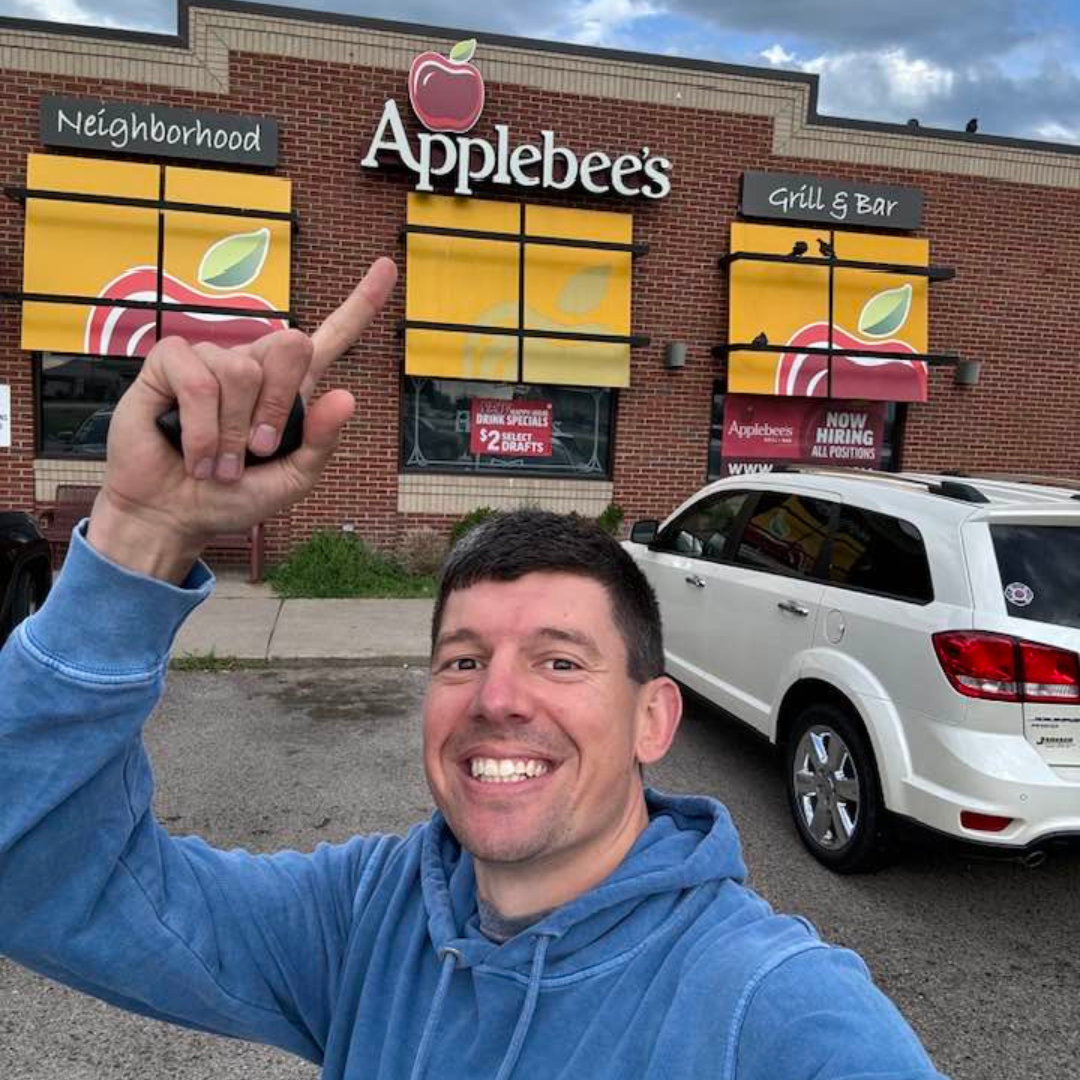
This guide is specifically about triple net lease (NNN) commercial real estate: a category of commercial investing where the tenant is a national brand like Starbucks, Dollar General, or Applebee's, and where the lease structure shifts every operating expense to the tenant. No maintenance. No property taxes on your end. No insurance to manage. Just a rent check every month for 10 to 20 years.
I've closed 47 of these deals totaling over $90 million. My first one required $65,000 in savings, an SBA loan, and a vacant retail building that nobody else wanted. My most recent one was a Starbucks with a 15-year absolute NNN lease and rent bumps every five years.
Same model. Very different scale. This guide will show you exactly how it works and how to get started.
Triple Net Lease (NNN)
A lease structure where the tenant pays base rent plus the three "nets": property taxes, building insurance, and maintenance. The landlord receives a fully net check with no operating expense responsibilities. Most NNN leases are with national or regional credit tenants and run 10–20 years.
Not sure where to start?
Download Tom's free NNN Starter Kit. The fundamentals in one place before you spend a dollar.
Commercial vs. Residential: Why This Changes Everything
If you own rental houses or apartments, you already understand income-producing real estate. But commercial real estate operates on different rules, and understanding those differences is the first step to doing it well.
How Properties Are Valued
Residential property value is driven by comparables: what similar homes sold for nearby. A commercial property's value is determined almost entirely by the income it produces. This is expressed as a cap rate (capitalization rate), which is the ratio of net operating income to purchase price.
Example: A Dollar General paying $60,000/year in rent
purchased for $1,000,000 = 6.0% cap rate
Or reversed: $60,000 NOI ÷ 6.0% cap = $1,000,000 value
This matters because it means you can directly influence commercial property value by increasing income: through rent bumps, better lease terms, or adding tenants. You can't do that with a house.
Who's Responsible for Expenses
In residential real estate, the landlord is responsible for maintenance, repairs, property taxes, and insurance. In NNN commercial real estate, the tenant is responsible for all three. The landlord's only job is to own the asset and deposit the rent check.
| Factor | Residential Rental | NNN Commercial |
|---|---|---|
| Maintenance Calls | Your responsibility | Tenant's responsibility |
| Property Taxes | You pay | Tenant pays |
| Building Insurance | You pay | Tenant pays |
| Lease Length | 1 year typical | 10–20 years typical |
| Tenant Turnover Risk | Annual | Decade-long leases |
| Tenant Credit | Individual (variable) | Corporate (rated) |
| Management Required | Active | Passive to minimal |
| Valuation Basis | Comparables | Income (cap rate) |
Not All Commercial Real Estate Is the Same
When most people think "commercial real estate," they picture office buildings, warehouses, or shopping centers. Those exist: but they're very different animals from what I invest in. Here's a quick map of the commercial landscape so you know exactly where NNN sits:
- Office: Multi-tenant or single-tenant office buildings. High management intensity post-pandemic. Vacancy rates in many markets are severe. Not where I focus.
- Industrial / Warehouse: Distribution centers, flex space, manufacturing. Strong fundamentals driven by e-commerce. Long leases. Low management. Competitive pricing.
- Multifamily: Apartment buildings. Technically commercial if 5+ units. High management intensity. Residential dynamics apply.
- Retail (non-NNN): Strip malls, inline retail, shopping centers. Multi-tenant, active management, local market dependent. High work, variable returns.
- Net Lease / NNN: Single-tenant buildings occupied by national or regional brands on long-term leases. Tenant pays all expenses. Minimal landlord management. Predictable, passive income. This is what I do.
NNN is a subset of retail commercial real estate, but it behaves almost nothing like traditional retail. The single-tenant structure and long lease terms make it the most passive form of direct commercial real estate ownership available to individual investors.
Understanding NNN Tenants: Credit Ratings and Why They Matter
Not all NNN tenants are equal. The most important variable in any NNN deal is tenant credit: the financial strength of the company signing the lease. A 15-year lease is only worth what the tenant is worth.
Investment-Grade vs. Non-Investment-Grade Tenants
Institutional-grade NNN tenants are rated by agencies like Moody's and S&P. Investment-grade ratings (BBB- and above) signal that the tenant is financially strong enough that major institutional investors: insurance companies, pension funds: are comfortable holding their leases. Investment-grade tenants include names like Dollar General (BBB), Starbucks (BBB+), and McDonald's (BBB+).
Non-investment-grade tenants aren't necessarily bad: regional chains and growing concepts can be excellent tenants. But they carry more risk, which is typically reflected in a higher cap rate (meaning lower price for the same income).
Cap Rate and Tenant Credit Move in Opposite Directions
The stronger the tenant credit, the lower the cap rate (higher price). A Starbucks with a 15-year lease trades at a 4.5–5.5% cap. A regional restaurant concept with similar lease terms might trade at 6.5–7.5%. The extra yield compensates for additional risk. Understanding this relationship is fundamental to NNN investing.
What Makes a Good NNN Tenant
- Corporate guarantee: The national parent company: not just the franchisee: guarantees the lease.
- Recession-resistant category: Dollar stores, fast food, pharmacies, auto services, and convenience tend to hold up in downturns. Sit-down casual dining and apparel are more vulnerable.
- Long operational history: A tenant that has been in a location for 10+ years and is signing a renewal has demonstrated they want to be there.
- Rent-to-revenue ratio: The tenant's rent should represent a small fraction of their store revenue: ideally under 10%. This gives them cushion if sales soften.
Dollar General: The Anchor of Many NNN Portfolios
Dollar General is one of the most commonly owned NNN tenants for a reason. BBB credit rating, 20,000+ locations, recession-resistant consumer category, and absolute NNN leases with 10-year initial terms and multiple 5-year renewal options. The stores are typically new construction on 10,000-square-foot footprints, built to Dollar General's specifications, which means the building is purpose-built and low-maintenance by design.
Lease Structure: The Four Things That Determine What Your Deal Is Worth
The lease is the asset. When you buy an NNN property, you're really buying a lease backed by a building. Understanding what's in that lease determines whether you're buying a predictable income stream or an expensive headache.
1. Lease Type: Absolute NNN vs. NNN vs. NN
Not all "net" leases are the same. The spectrum runs from gross (landlord pays everything) to absolute NNN (tenant pays everything, no exceptions):
- Absolute NNN (Bondable): Tenant pays all expenses including roof and structure. Zero landlord responsibility. Common with institutional-grade tenants like McDonald's and Starbucks.
- NNN (Triple Net): Tenant pays taxes, insurance, and maintenance. Landlord may be responsible for roof and structure. Most common lease type in the NNN market.
- NN (Double Net): Tenant pays taxes and insurance. Landlord responsible for maintenance, roof, and structure. More landlord involvement required.
When evaluating a deal, always confirm which type of net lease you're looking at. Two deals advertised as "NNN" can have very different landlord obligations depending on how the lease defines responsibilities.
2. Lease Term Remaining
The remaining lease term is one of the most important value drivers in an NNN deal. Longer remaining term equals more predictability and typically a lower cap rate (higher price). A Starbucks with 15 years remaining trades at a premium to a Starbucks with 3 years remaining.
My personal floor is 7 years of remaining term for a primary investment. Under 7 years and you're buying significant lease renewal risk into the deal.
3. Rent Bumps (Escalation Clauses)
Inflation erodes the value of a fixed rent check over time. The best NNN leases include rent escalation clauses: scheduled rent increases built into the lease. Common structures include 10% bumps every 5 years, fixed annual increases of 1–2%, or CPI-linked adjustments.
Year 1–5: $60,000/year
Year 6–10: $66,000/year
Year 11–15: $72,600/year
Total 15-year income difference vs. flat rent: +$78,000
4. Renewal Options
Renewal options give the tenant the right: but not the obligation: to extend the lease at predetermined terms. This seems like a good thing, but it can work against landlords in rising rent markets. If a tenant has renewal options at the original rent rate and market rents have increased significantly, they'll exercise those options and lock in below-market rents for another 5–10 years. We covered this in depth in our post on tenant renewal options.
How to Finance Your First NNN Deal
Commercial real estate financing is different from residential financing in several important ways. Understanding your options before you start shopping for deals will prevent you from falling in love with properties you can't actually buy.
Conventional Commercial Loans
Most NNN properties are financed with conventional commercial loans. Key characteristics: 25–35% down payment, 15–25 year amortization, 5–10 year fixed rate terms (with balloon payment), and rates typically 50–150 basis points above residential rates. Lenders underwrite based on the property's income and the tenant's credit: your personal income matters less than you'd think.
SBA Loans: The Underrated Path for First Deals
The SBA 504 and 7a loan programs are designed to help small business owners buy commercial real estate. If you plan to operate a business in part of the building: or if your business will occupy at least 51% of the space: SBA financing can drop your required down payment to 10–15%, dramatically lowering your entry cost.
How an SBA Loan Made a $1,000,000 Deal Possible at 29
My first commercial building required only $65,000 down because I used an SBA loan and planned to occupy part of the building for my own business. I renovated the vacant retail space into multiple storefronts, occupied one unit, and leased the others to tenants who covered the mortgage. I held it for 10 years and sold it for $1,000,000 in profit.
1031 Exchanges: The Transition Path from Residential
If you already own residential investment properties, a 1031 exchange is often the most tax-efficient path into NNN commercial real estate. You sell your residential property, and as long as you reinvest the proceeds into a like-kind property within 180 days and identify a replacement property within 45 days, you defer all capital gains taxes. We've used this strategy repeatedly in our portfolio.
Ready to run the numbers on your first deal?
The free Starter Kit includes Tom's deal evaluation checklist.
How to Find NNN Properties
Deal sourcing is where most NNN beginners get stuck. Here are the primary channels, ranked by how competitive they are:
Listed Deals (LoopNet, CoStar)
LoopNet is the public-facing commercial listing platform. CoStar is the institutional version with more data. Both are legitimate starting points but highly competitive: listed NNN deals, especially from investment-grade tenants, attract national buyer pools and trade close to asking price.
Commercial Brokers
Building relationships with commercial brokers who specialize in net lease is one of the most effective long-term sourcing strategies. Good brokers will bring you deals before they hit LoopNet. To get that treatment, you need to demonstrate that you're a serious buyer: you have financing in place, you know what you're looking for, and you close when you say you will.
Off-Market and Less Obvious Channels
Some of the best deals never get publicly listed. I've found properties through local newspaper listings, conversations with appraisers, relationships with business owners who own their buildings, and sealed bid auction processes that most investors aren't watching.
Due Diligence: What to Check Before You Close
NNN due diligence is less about inspecting the building and more about understanding the lease and the tenant. Here's what matters:
- Read the entire lease. Don't rely on a broker summary. Read every page. Understand exactly what is and isn't the tenant's responsibility. Flag renewal option language carefully.
- Verify the tenant's financials. For publicly traded tenants, their 10-K filings are public. For private tenants, request financials. You want to see revenue trends, debt levels, and same-store sales performance for the specific location if available.
- Order a Phase 1 environmental study. Required by most lenders. Identifies any environmental contamination risk on the property. Non-negotiable for commercial deals.
- Review title and survey. Ensure clear title, no easements or restrictions that affect the property's use, and that the survey matches the legal description.
- Confirm zoning. Verify the current use is permitted and that future rezoning risk is low.
- Evaluate the real estate, not just the lease. If the tenant leaves, what is this building worth? Is the location strong enough to attract another tenant? A great lease on a poor location is riskier than it looks.
The Step-by-Step Process: Zero to First Deal
Get Your Financing Pre-Arranged
Talk to a commercial lender before you look at a single property. Know your down payment capacity, understand how commercial loans are underwritten, and get a pre-qualification or relationship established. Sellers and brokers take you more seriously when you can demonstrate you're a real buyer.
Define Your Buy Box
Know what you're looking for before you start searching. Define your target tenant categories, minimum lease term remaining, preferred geography, target cap rate range, and price point. A clear buy box makes you a better buyer and helps brokers understand what to bring you.
Build Your Team
You need a commercial real estate attorney (not a residential attorney), a CPA with commercial real estate experience, a commercial lender, and eventually a net lease broker relationship. These people will save you from expensive mistakes on your first deal.
Underwrite Every Deal You Look At
Run the numbers on every property you evaluate: even ones you don't pursue. Cap rate, NOI, debt service coverage, cash-on-cash return. The repetition builds pattern recognition faster than any course. After 20 deals underwritten, you'll be able to smell a good deal in five minutes.
Make Offers
Most beginners spend months in research mode and never make an offer. Offers cost you nothing. Make them. Learn from the responses. A rejected offer teaches you something about pricing. An accepted offer teaches you everything.
Conduct Thorough Due Diligence
Once you have an accepted offer and a signed LOI (letter of intent), you'll enter a due diligence period: typically 30–45 days. Read the lease, verify the tenant, order the Phase 1, review title. This is when you confirm everything you thought you were buying is actually what you're buying.
Close and Manage the Asset
Closing a commercial deal involves more paperwork than residential but follows a similar process: final loan approval, title insurance, wire of funds, deed transfer. Once closed, NNN management is minimal: collect rent, maintain the landlord-tenant relationship, and watch the lease clock tick down to your exit or renewal decision.
The Three Mistakes Most NNN Beginners Make
1. Buying the Lease Without Buying the Real Estate
A great tenant in a terrible location is a time bomb. When the lease expires, you need another tenant. If the location is poor, you won't get one. Always evaluate the underlying real estate as if the tenant is leaving. Because someday, they might.
2. Ignoring Renewal Option Terms
Renewal options that lock in below-market rent for 10–20 additional years can significantly cap your upside. A tenant paying $50,000 per year in a market where the going rate is now $70,000: who has five 5-year renewal options at the original rate: is not the asset it appears to be.
3. Underestimating How Long Things Take
From signed LOI to closed deal, commercial transactions typically take 45–90 days. From first conversation with a broker to signed LOI, add another 30–90 days depending on deal flow. Budget 3–6 months from serious search to closed first deal. That's not slow. That's how it works.
Frequently Asked Questions
How much money do I need to invest in commercial real estate?
Most NNN commercial properties require 25–35% down. On a $1M property that's $250,000–$350,000. SBA loans can lower that to 10–15% for owner-occupied properties. The entry point for smaller NNN deals (Dollar General, fast food pads) starts around $800K–$1.2M purchase price, meaning $200K–$400K down in most scenarios.
Can I invest in commercial real estate with no money?
Direct ownership of NNN property requires meaningful capital. However, you can participate in commercial real estate with lower minimums through syndications: pooled investor vehicles where an operator (like Bankston Wealth) acquires properties and distributes returns to investors. Minimum investments in most syndications start at $25,000–$50,000.
Is commercial real estate better than residential for beginners?
NNN commercial real estate is often more beginner-friendly than residential in terms of ongoing management: there's far less to do once a deal closes. The learning curve is in understanding lease structure and tenant credit analysis. The main barrier is capital: commercial deals typically require larger down payments than residential.
How do I transition from residential to commercial real estate?
The most common path is a 1031 exchange: sell an existing investment property and roll the proceeds into an NNN commercial deal within 180 days, deferring all capital gains taxes. This is one of the most powerful tools for transitioning your portfolio without a large new capital outlay. We've written a dedicated guide on this topic. Read it here.
What are the best commercial real estate investments for beginners?
NNN properties with investment-grade tenants (Dollar General, Starbucks, fast food chains), 10+ years of remaining lease term, and absolute NNN lease structures are the most beginner-friendly commercial investments because they require the least ongoing management and produce the most predictable income.